

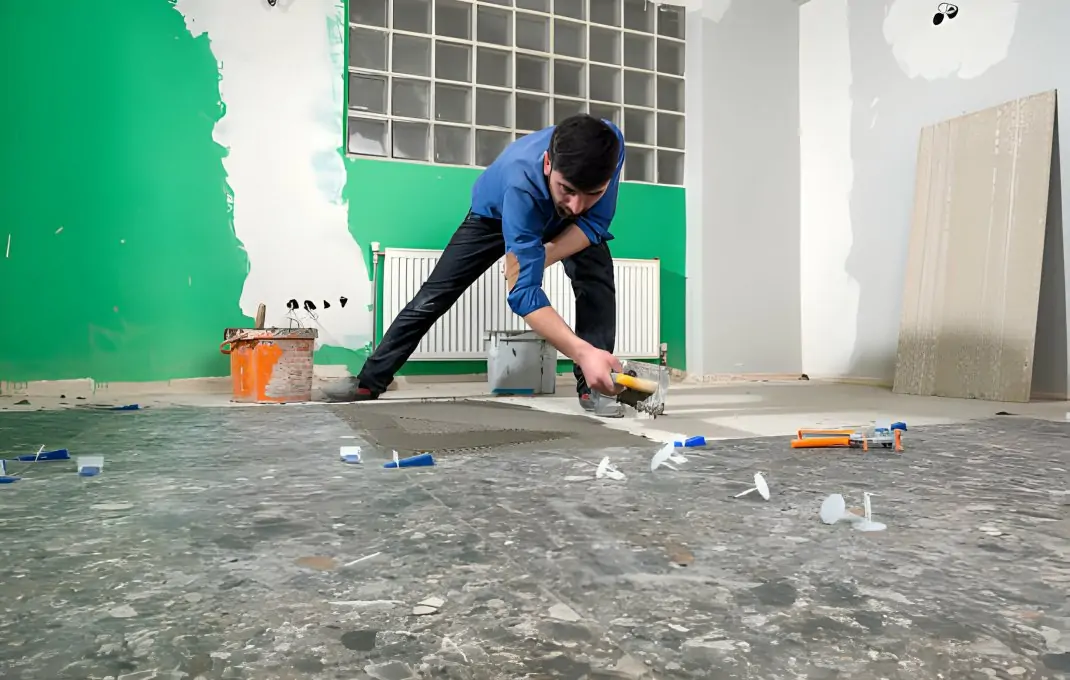
A damp basement is more than an annoyance. Moisture can lead to mould, damaged belongings and, over time, structural problems. Interior waterproofing is one of the common ways to handle it. Here's what it does, when it's worth doing and what to check before you hire someone.
What interior waterproofing is
It deals with water that has already reached your basement walls or floor. Typical systems include a drainage channel along the floor edge, a sump pump to remove collected water, sealants for cracks and a vapour barrier on the walls. Exterior waterproofing, by contrast, involves digging around the foundation, which usually costs more.
Read also: 7 Best Ways to Shine Your Personality, Look Development Tips in Life
Benefits
1. Stops mould and mildew
Mould thrives in damp, dark spaces and can affect air quality and health. Keeping the basement dry takes away the conditions it needs.
2. Protects the structure
Persistent moisture can cause cracks, crumbling concrete and rusting reinforcement. Foundations can also suffer in poured-concrete structures, and there's useful reading on the trouble with poured concrete foundations and how they're repaired.
3. Adds value to your home
A dry, usable basement is a selling point, and buyers are cautious about water problems. If you're thinking about resale, see these tips on what adds value to your property.
Read also: Why Choose Data Science Training In Bangalore?
4. Saves money over time
Fixing a small leak is cheaper than repairing flooring, drywall and damaged items after a flood. Prevention also helps with insurance claims.
5. Creates extra living space
Once it's dry, you can safely finish the basement as a gym, office, playroom or guest room.
Read also: How to Make the Switch to an IT Career
Signs you may need it
| Sign | What it can mean |
|---|---|
| Musty smell | Hidden moisture or mould |
| White chalky deposits on walls (efflorescence) | Water passing through masonry |
| Damp patches or peeling paint | Moisture in the wall |
| Cracks in walls or floor | Water entry points, or foundation movement |
| Standing water after rain | Poor drainage or a failing system |
First, check where the water comes from
Not every damp basement needs a new system. Sometimes the cause is a leaking pipe or a broken drain, and professional leak detection can find it without ripping up floors. Gutters and downspouts that dump water by the foundation are another common, fixable cause.
Questions to ask a contractor
- What's causing the problem, and how did you find out?
- What system do you recommend and why?
- Is the work guaranteed, and for how long?
- Are you licensed and insured?
- What's the total cost, and what's included?
Get at least two or three quotes and ask for references. The right fix depends on your home, so don't accept a one-size-fits-all sales pitch.












Comments
No comments yet — be the first to share your thoughts.