

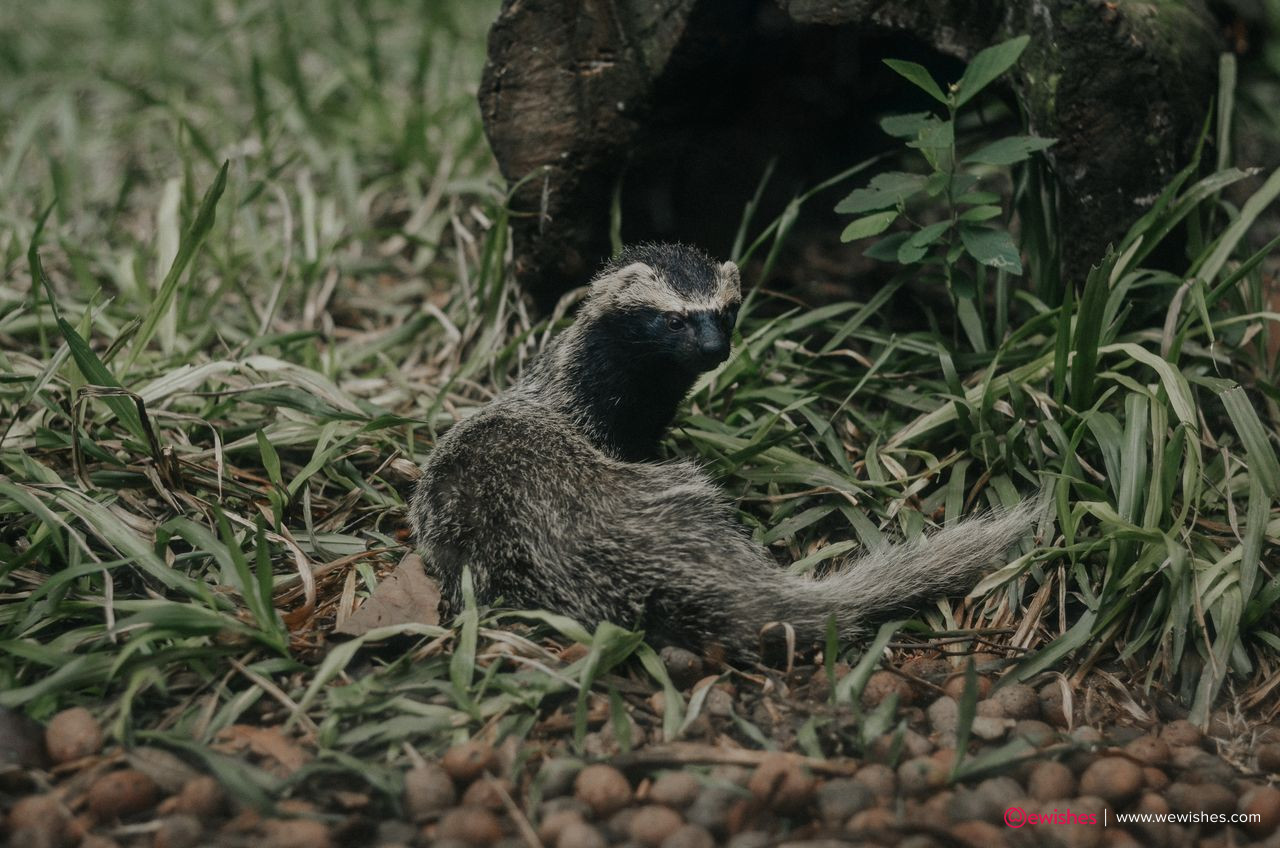
Few things ruin a quiet evening like discovering a skunk under your porch. The good news is that skunks usually aren't looking for trouble. They want food and shelter, and they'll move on if you take those away, as long as you go about it safely.
Here's how to keep them out, how to get one to leave, and what to do if the worst happens.
Read also: How to Make the Switch to an IT Career
Safety first
- A skunk can spray from several feet away, and the smell lingers.
- Skunks can carry rabies. Never approach or corner one, and keep pets and children away.
- If a person or pet is bitten or scratched by a skunk, seek medical or veterinary help straight away and report it to your local animal control.
- Don't use poison. It's cruel, can harm pets and other wildlife, and may be illegal where you live.
Part 1: Make your property less attractive
Skunks are opportunists. If your yard offers a free meal, they'll come back.
Remove food sources
- Use bins with tight lids and don't leave rubbish bags out overnight.
- Bring pet food inside after feeding.
- Pick up fallen fruit and clean up under bird feeders.
- Compost in a closed container, not an open pile.
- Deal with grubs in your lawn, as they're a favourite food and the reason for little holes in the grass.
Block places to hide
- Close off gaps under porches, decks and sheds.
- Clear brush and wood piles near the house.
Use deterrents
Motion-activated lights and sprinklers can discourage visits. Some people use citrus peels or commercial repellents. Results vary, and they work best combined with removing food and shelter.
Part 2: If a skunk has already moved in
Confirm it's there
Sprinkle a thin layer of flour or sand at the entrance in the evening. Tracks in the morning will show you if something is using it, and whether it's coming and going.
Read also: The Role of 3D Animation in Education
Check the season
Skunk kits are born in spring and stay in the den for several weeks. Do not seal an entrance if there could be babies inside, or they'll be trapped. If you hear squeaking or it's baby season, wait or call a professional.
Encourage it to leave
- Make the den uncomfortable: bright light and a radio playing near the entrance for a few days.
- Install a one-way door at the entrance so the skunk can leave but can't get back in.
- Once you're sure it's gone, seal the opening and bury a barrier of wire mesh about a foot or so into the ground to stop it digging under.
Should you trap one?
Trapping is regulated in many places, and moving wildlife may be restricted or illegal. A trapped skunk is also likely to spray when disturbed. If you think trapping is needed, hire a licensed wildlife control professional instead of trying it yourself.
Read also: Pre-School Maths: Why Early Maths Learning Is Worth Your Time
When to call a professional
- You suspect there are babies.
- The skunk seems sick, wobbly or unusually bold in daylight, which can be a sign of illness.
- The den is in a hard-to-reach spot, such as under a slab.
- You've tried the steps above and it keeps coming back.
If you or your pet get sprayed
Tomato juice doesn't actually work well. This mixture is commonly recommended instead for a pet, but check with your vet first for anything affecting eyes or an animal that's been bitten:
- 1 quart (about 1 litre) of 3% hydrogen peroxide
- 1/4 cup of baking soda
- 1 teaspoon of liquid dish soap
Mix it fresh, wash the affected areas, keep it out of the eyes and mouth and rinse well. Don't store the mixture in a closed container, as it can build pressure. For clothes, wash with detergent and a cup of baking soda and air dry them.
Prevention checklist
- Lock down bins and pet food.
- Seal gaps under structures once you know they're empty.
- Keep the yard tidy.
- Check regularly in spring, when skunks look for dens.
Patience works better than force. Most skunks leave within a few days once they're uncomfortable and the food runs out.












Comments
No comments yet — be the first to share your thoughts.