

Page Contents
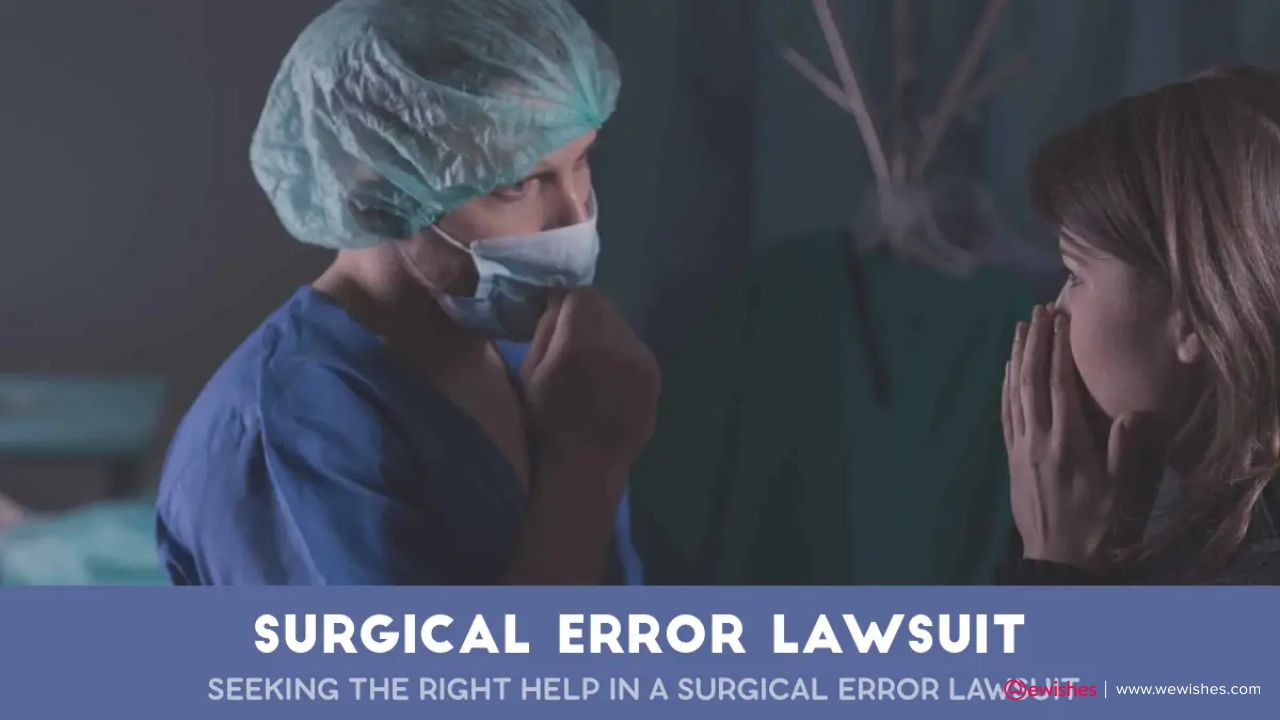
When patients enter an operating room, they place their complete trust in medical professionals. They expect skilled care, precision, and safety. Unfortunately, surgical errors occur more frequently than many realize, leaving victims with devastating consequences that extend far beyond their original medical condition. Understanding how to navigate the complex legal landscape following a surgical mistake can make the difference between receiving fair compensation and bearing the burden alone.
The Reality of Surgical Mistakes
Surgical errors represent a significant concern within the American healthcare system. According to research published in the journal Surgery, an estimated 4,000 preventable surgical errors occur annually in the United States. These incidents range from operating on the wrong body part to leaving foreign objects inside patients after procedures. The Johns Hopkins University School of Medicine estimates that medical errors, including surgical mistakes, contribute to approximately 250,000 deaths each year, making them the third leading cause of death in the country.
The financial impact of these errors is staggering. Beyond the immediate medical costs of corrective procedures, victims often face lost wages, long-term disability, and diminished quality of life. A study in the Journal of Patient Safety found that the total annual cost of measurable medical errors ranges between $17 billion and $29 billion. However, these figures cannot capture the full emotional and psychological toll on patients and their families.
Common Types of Surgical Errors
Surgical errors take many forms, each with potentially life-altering consequences. Wrong-site surgery, where procedures are performed on the incorrect body part or even the wrong patient, continues to occur despite established safety protocols. Anesthesia-related mistakes pose particular dangers, as even minor miscalculations in dosage can lead to brain damage, organ failure, or death. "Anesthesia errors often stem from inadequate patient monitoring, improper dosing, or failure to account for patient allergies and medical history," says a Philadelphia anesthesia error lawyer at Lowenthal Abrams.
Read also: What Does OCD Mean And How Does It Relate To Perfectionism?
Other common errors include retained surgical instruments or sponges, nerve damage from improper technique, infections resulting from unsanitary conditions, and unnecessary procedures performed due to misdiagnosis. Each of these scenarios requires careful legal analysis to determine liability and pursue appropriate compensation.
Why Specialized Legal Representation Matters
Surgical error cases involve complex medical and legal issues that demand specialized knowledge. Unlike straightforward personal injury claims, medical malpractice lawsuits require proving that healthcare providers deviated from accepted standards of care. This necessitates expert testimony from medical professionals who can explain what should have happened versus what actually occurred during the procedure.
The right attorney brings critical resources to these cases. They maintain relationships with medical experts across various specialties who can review records, identify deviations from standard care, and testify credibly in court. They understand the nuances of medical terminology, hospital protocols, and surgical procedures well enough to ask pointed questions during discovery and cross-examination.
Read also: How To Deal With The Anxiety Of Your Preteens And Teenager?
Additionally, healthcare providers and hospitals typically have substantial legal teams and malpractice insurance carriers defending them. Facing these well-resourced opponents without experienced representation puts victims at a significant disadvantage. Specialized medical malpractice attorneys level the playing field by understanding defense tactics and having the trial experience necessary to counter them effectively.
What To Look For In Legal Representation
Finding the right attorney requires careful consideration of several factors. Experience specifically handling surgical error cases is paramount. While general personal injury attorneys may handle various accident types, medical malpractice demands focused expertise. Prospective clients should inquire about an attorney's track record with similar cases, including settlements and verdicts obtained.
Resources matter significantly in these cases. Medical malpractice litigation requires substantial upfront investment in expert witnesses, medical record analysis, and case development. Established firms with the financial capacity to fund comprehensive case preparation are better positioned to maximize recovery for their clients.
Communication style also deserves attention. Medical malpractice cases often extend over months or years, requiring ongoing dialogue between attorney and client. Finding a lawyer who explains complex medical and legal concepts clearly and responds promptly to questions creates a more manageable experience during an already stressful time.
Read also: 5 Tips To Help Overcome The Loneliness Of Your Aging Parents
Taking Action After A Surgical Error
Time limitations exist for filing medical malpractice claims, known as statutes of limitations. These vary by state but generally range from one to three years from the date of injury or discovery of the error. Waiting too long can permanently bar recovery, regardless of how strong the case may be.
Victims should preserve all medical records, bills, and documentation related to the surgical error and subsequent treatments. These materials form the foundation of any legal claim. Additionally, keeping a detailed journal documenting symptoms, treatments, and how the error has impacted daily life provides valuable evidence of damages.
Moving Forward
Surgical errors shatter the trust patients place in medical professionals and often leave lasting physical and emotional scars. While no legal outcome can undo the harm caused, holding negligent parties accountable serves multiple purposes. It provides financial resources for ongoing medical care, compensates for losses suffered, and potentially prevents similar errors from harming future patients. Seeking experienced legal help represents the crucial first step toward justice and recovery.












Comments
No comments yet — be the first to share your thoughts.