

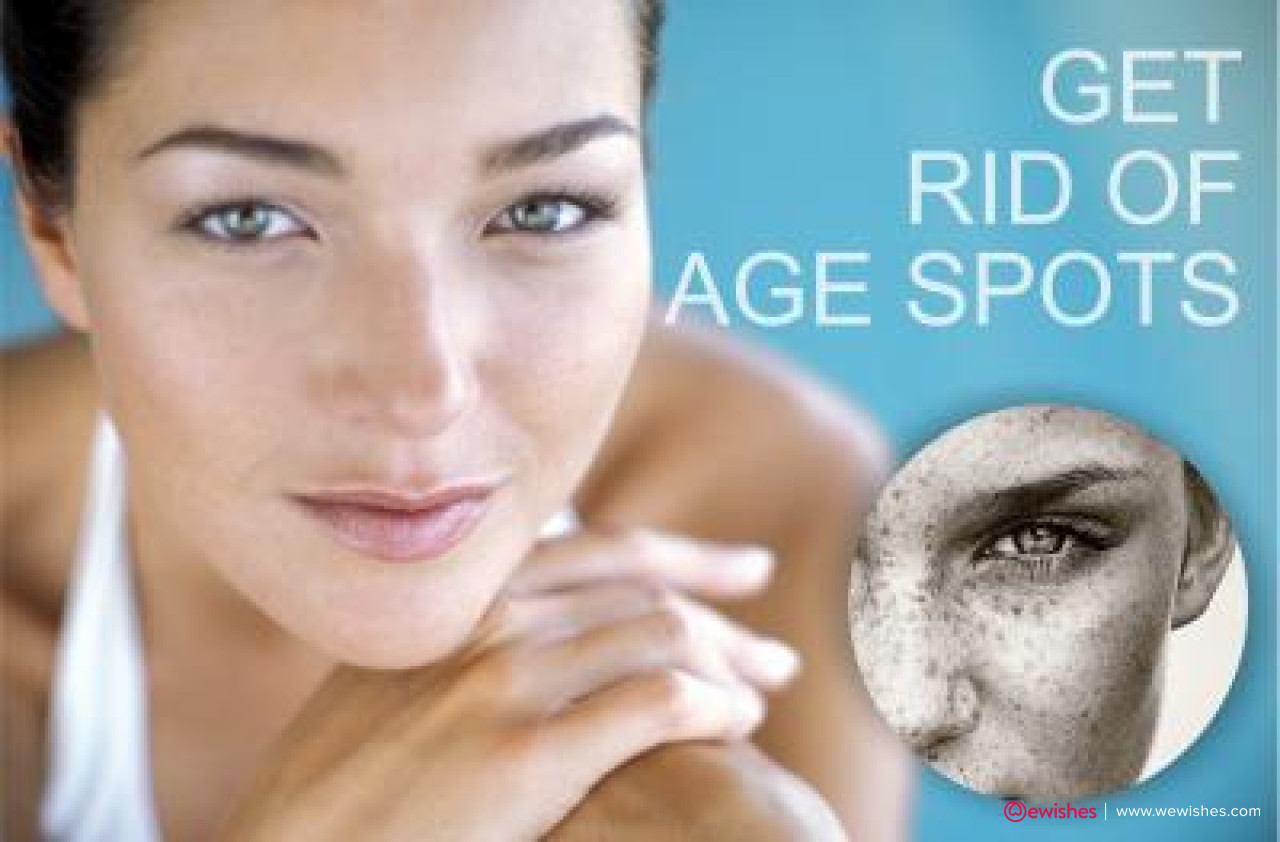
Age spots, also called sun spots or liver spots, are flat brown or tan patches that show up on the face, hands, shoulders and other places that get a lot of sun. They're harmless in most cases, but many people want them gone, and the internet is full of "quick fixes" that don't work.
Here's what's actually known about reducing age spots, what to try first, and when to see a doctor.
What causes them
Age spots are mostly the result of years of sun exposure. Ultraviolet light makes pigment-producing cells in your skin work harder, and over time the pigment collects in patches. They're more common after 40, but they can show up earlier in people who've had a lot of sun or use tanning beds. Fair skin is more prone to them.
Read also: What Does OCD Mean And How Does It Relate To Perfectionism?
Age spots are different from freckles and from melasma, a hormone-related pigmentation that tends to show up as larger patches on the cheeks and forehead. If you're not sure which you have, a dermatologist can tell you.
Start with sunscreen, every day
Nothing else you do will hold up if you skip this. Without sun protection, treated spots come back and new ones form.
- Use a broad-spectrum sunscreen of SPF 30 or higher on your face daily, even on cloudy days.
- Reapply every two hours if you're outdoors.
- Add a hat and sunglasses, and seek shade in the middle of the day.
Treatments that have evidence behind them
Over-the-counter creams and serums
Ingredients with a reasonable track record for fading dark spots include vitamin C, niacinamide, azelaic acid, kojic acid and retinoids. They work slowly, usually over a few months, and are gentler than clinical treatments. Start with one at a time, patch test, and expect mild results.
Prescription creams
A doctor may prescribe stronger products such as hydroquinone or a prescription retinoid. These can work well but should be used under supervision, as they can irritate skin and shouldn't be used for long stretches without advice.
Read also: How To Deal With The Anxiety Of Your Preteens And Teenager?
Chemical peels
A professional applies a mild acid solution that removes the top layers of skin, which helps fade pigment. Several sessions are often needed, and your skin may be red and flaky for a few days.
Laser and light therapy
Intense pulsed light (IPL) and certain lasers target pigment in the spots. This is among the most effective options, though it costs more and results depend on your skin type and the device. Darker skin tones have a higher risk of side effects, so choose an experienced practitioner.
Read also: 5 Tips To Help Overcome The Loneliness Of Your Aging Parents
Cryotherapy
Freezing individual spots with liquid nitrogen can remove them. It's quick but can leave lighter or darker marks, so it's usually used on isolated spots.
What not to bother with
- Lemon juice, raw potato and similar home remedies. Lemon juice in particular can irritate skin and make you more sun-sensitive. There's little evidence these fade spots.
- Bleaching products from unknown sources. Some contain unsafe ingredients, such as high levels of mercury. Avoid unlabelled creams.
- Scrubbing hard. Aggressive exfoliation can inflame skin and make dark spots darker.
A simple routine to start with
- Morning: gentle cleanser, a vitamin C or niacinamide serum, moisturiser, then sunscreen.
- Evening: cleanser, a retinoid or azelaic acid product a few nights a week, then moisturiser.
- Be patient. Give it at least eight to twelve weeks before judging results.
How to prevent new spots
- Wear sunscreen daily.
- Avoid tanning beds.
- Cover up during strong sun.
- Check your skin regularly, so you notice changes early.
When to see a doctor
Most flat, evenly coloured age spots are harmless. But some skin cancers can look similar to them, so get a spot checked if it:
- Has an uneven edge or more than one colour
- Is growing, raised, bleeding or itchy
- Looks different from your other spots
Early checking matters. A dermatologist can examine it and tell you whether treatment is just a cosmetic choice or a medical need.
This article is general information, not medical advice. If you have concerns about your skin, speak to a qualified doctor.
Frequently Asked Questions
Q1FAQ 1. What causes age spots on the face?
Age spots form from years of sun exposure. Aging and skin damage increase their appearance.
Q2FAQ 2. Do age spots go away on their own?
Most age spots do not fade completely without treatment. Some become lighter over time.
Q3FAQ 3. Which treatment works fastest for age spots?
Laser treatments often show the quickest results. A skin doctor helps choose the best option.
Q4FAQ 4. Does sunscreen help prevent age spots?
Yes. Daily sunscreen use helps reduce sun damage and lowers the risk of new spots.
Q5FAQ 5. Are age spots harmful to health?
Most age spots are harmless. Visit a skin doctor if a spot changes shape, color, or size.





Comments
No comments yet — be the first to share your thoughts.