

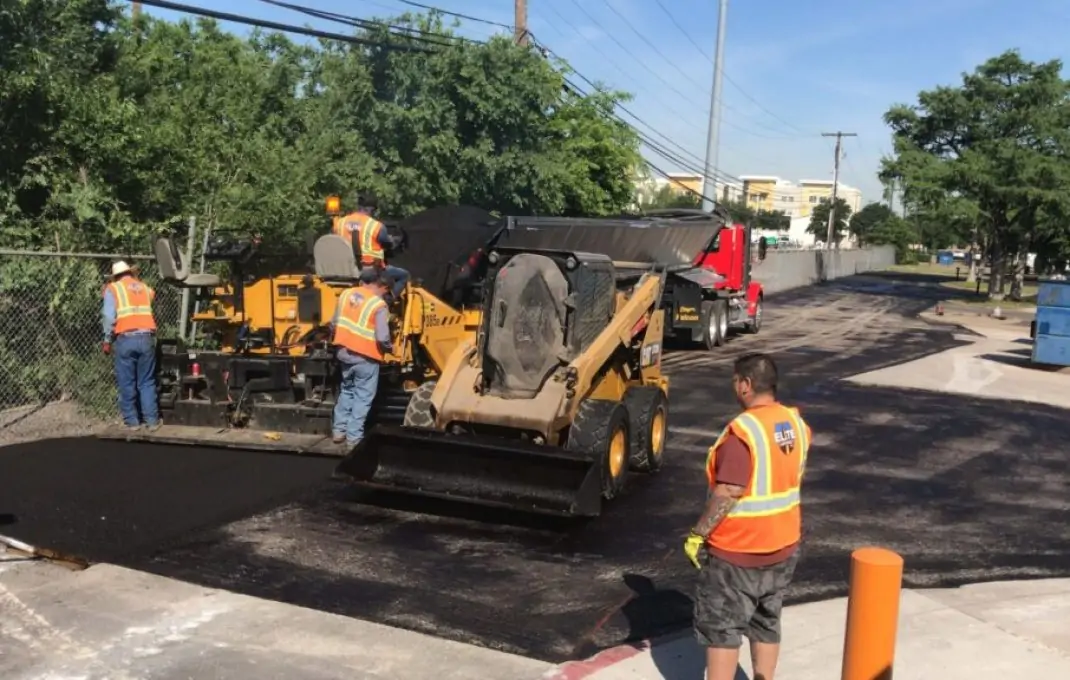
First impressions matter in business, and the first thing a customer sees is often the car park or the entrance. Stamped asphalt is a way to give a normal asphalt surface the look of brick, stone or tile without the cost of laying individual pavers. Here's what it offers and where it falls short.
What it is
Stamped asphalt is regular asphalt that's heated, pressed with a pattern template and coated with a colour. The result looks like bricks, cobbles or slate but keeps the flexibility and quick installation of asphalt.
Read also: How to Make the Switch to an IT Career
The benefits
1. A cost-effective way to improve appearance
Natural stone and paver installations can be expensive, and the global market for stone pavers shows how much demand there is for decorative paving. Stamped asphalt gives a similar look at a fraction of the price, which is helpful for businesses watching their budgets.
2. Durability and longevity
Asphalt is a tough, flexible material that copes with heavy vehicle traffic and temperature changes. With good base preparation and sealing, a stamped surface can last many years.
Read also: The Role of 3D Animation in Education
3. Low maintenance
Routine care includes sweeping, cleaning spills, filling small cracks and resealing every few years to protect the colour and surface. Individual pavers can shift and sink, while asphalt tends to stay uniform.
Read also: Pre-School Maths: Why Early Maths Learning Is Worth Your Time
4. Quick installation
A stamped asphalt surface can usually be installed and opened for use faster than pavers or poured concrete, which limits disruption to your business. For example, companies such as this paving company in New Braunfels show typical project types and timelines.
How it compares
| Option | Look | Cost | Upkeep |
|---|---|---|---|
| Plain asphalt | Functional | Lowest | Low |
| Stamped asphalt | Decorative | Moderate | Low to moderate; needs resealing |
| Concrete pavers | Premium | Higher | Moderate; weeds and shifting |
| Stamped concrete | Decorative | Higher | Can crack and needs sealing |
Where it works well
- Entrances and pedestrian crossings in car parks.
- Walkways in shopping centres and business parks.
- Hotel and hospital driveways.
- Roundabouts and traffic islands.
Limits to know about
- The pattern and colour can wear in high-traffic areas, so plan on resealing.
- It won't look exactly like real stone up close.
- Quality depends heavily on the contractor and the base preparation.
- Very hot weather can soften asphalt, so check how it performs in your climate.
Questions to ask a contractor
- Can I see similar completed projects?
- What colours and patterns are available, and how long do they last?
- How is the base prepared, and what warranty do you offer?
- How long will the work take, and how will you keep customers' access open?
- What is the recommended sealing schedule?
For the right commercial property, stamped asphalt gives a better look without the price of traditional paving. Choose a reputable contractor, plan for maintenance and compare quotes before you decide.











Comments
No comments yet — be the first to share your thoughts.