

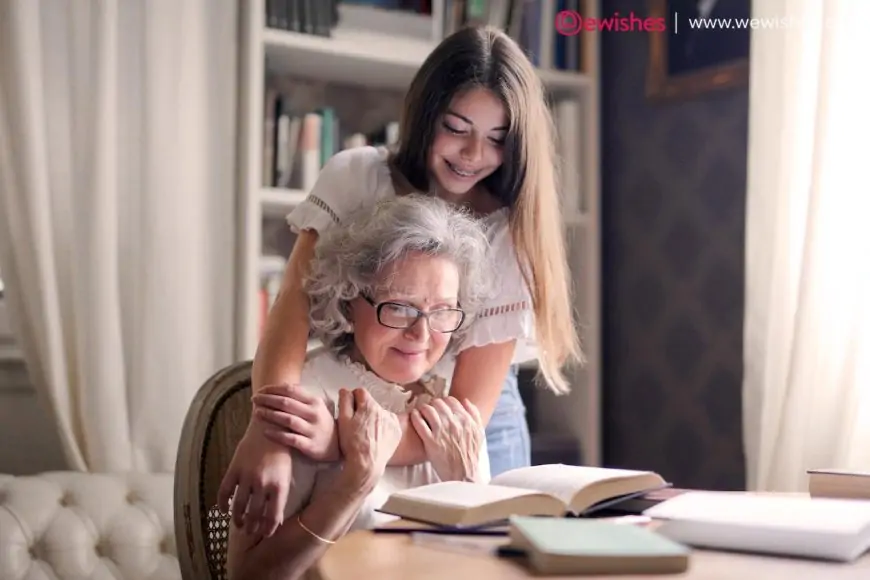
Grandparents can bring something to a child's life that parents sometimes can't: patience, stories, unhurried time and a different view of the family's history. They also give parents real support. Where it's possible, encouraging that relationship is one of the nicest things you can do for your family.
Here are some ways to help it grow, and a few things to think about along the way.
Read also: Funding a Home Business Without Draining Your Emergency Savings
1. Make time together a habit
A bond grows through regular, shared moments, not just holidays. Quality time doesn't need to be elaborate. Ideas:
- Cook or bake a family recipe together.
- Go for a walk, play cards or do a puzzle.
- Look through old photo albums and let them tell the stories.
- Try a simple craft or gardening project.
- If you need some inspiration, here's a list of ideas for quality time together.
2. Keep in touch when you live apart
- Schedule a weekly video call, and let the child lead the conversation.
- Send letters, drawings or recorded voice notes.
- Read a bedtime story over video.
- Share photos of everyday moments, not just big events.
3. Talk about boundaries early
Most friction in families comes from unspoken expectations about food, discipline, screen time or safety. Having an open, kind conversation helps everyone. A useful starting point is learning how to set boundaries with grandparents in a respectful way.
- Choose a calm moment, not in the middle of an argument.
- Be specific. "Please ask before giving sweets" is clearer than "be careful."
- Explain why. People accept rules more easily when they understand the reason.
- Thank them. Remind them how much their help means.
4. Make sure your parents are in a good environment
If a grandparent lives alone, struggles with mobility or has health needs, their wellbeing affects the whole family. Visiting regularly helps you notice changes. If the time comes when they need more support, it's worth exploring options such as home help or residential care. Some families look at providers like Signature Care Homes when they start that conversation, and involving your parent in the decision matters a great deal.
Read also: How to Write a Biography About Yourself: 7 Practical Tips
5. Consider your own relationship with your parents
Children pick up on how adults treat each other. If there's tension between you and your parents, try to keep it away from the kids, and work on repairing it where you can. A calm, respectful relationship gives grandchildren a model to follow.
Read also: Aviator Money Game at Pin Up Casino
Activities by age
| Child's age | Ideas |
|---|---|
| Babies and toddlers | Songs, picture books, short supervised play |
| Young children | Baking, gardening, storytelling, simple games |
| Older children | Teaching a skill, board games, family history projects |
| Teenagers | Shared hobbies, cooking, listening without lecturing, texting |
A few gentle reminders
- Respect each person's energy. Grandparents tire, and so do children.
- Keep safety in mind, especially with babies and older grandparents.
- Be patient with differences in parenting style.
- Record memories. A photo or a short video can become precious.
The aim isn't a perfect relationship. It's regular, warm contact that gives each side something to look forward to. Small, steady efforts count for more than any grand gesture.












Comments
No comments yet — be the first to share your thoughts.